Show Posts

This section allows you to view all posts made by this member. Note that you can only see posts made in areas you currently have access to.


Topics - elouicious

Pages: [1] 2 3 ... 5
1
I'm not sure if this is kosher to post on here and if not murahilin please remove-

Just wanted to forward along a call for donations I recently received from sacredsucculents.com I am in no way affiliated with this organization other than being a longtime patron and friend of the proprietor Ben Kamm,

He has done a lot of work to bring rare south american and african edibles to the US and too many other projects to comprehensively list, without further ado-


Quote
Greetings friends and fellow plant-people,

This is a call for aid. We seek your support to fund extensive renovations to the aging infrastructure of Sacred Succulent's nursery & conservancy-research garden—endeavors that are now critical to preserving the high diversity of rare & endangered plants we offer and grow here in the face of ongoing losses from increasingly erratic climatic shifts.

The first and most vital phase is renovating the entirety of our irrigation systems. Your help is crucial for us to accomplish this massive undertaking.
 
Please Consider Making a Donation Today—any amount helps!
https://ssbp.betterworld.org/campaigns/renovating-our-nursery

Your generosity also helps to:

    Sustain and fortify our diverse living plant collections and seed bank.
    Protect rare & endangered plants by supporting our propagation & distribution efforts.
    Further our research, various writing projects, and efforts to educate and encourage others towards ethnobotanical and ecological literacy.

For more info and nursery photos, see https://sacredsucculents.com/support-our-endeavors

Donations can also be sent as cash, check or money order to:
Sacred Succulents, po box 781, Sebastopol, CA 95473

Note: while Sacred Succulents is not currently a 501(c)(3), we are assessing the viability of transitioning to become a non-profit and are in the process of arranging fiscal-sponsorship: Those interested in making larger, tax-deductible donations should contact us - benkamm@monitor.net

Handpicked plants & seeds, art, special access & catalog discounts, and nursery & garden tours are available as thank you gifts for your donations, select the various donation amounts for specifics.

Please help spread the word about the fundraiser—
we are not on any social media and rely on the grass-root efforts of our fellow phytophiles like you!

Support our conservation work, research, and projects crucial to Sacred Succulents future:
https://ssbp.betterworld.org

“If ever there was a project that deserved support, this is it! Your contributions make a crucial difference... you’ll be helping safeguard plants that are under threat from habitat loss and climate change while also promoting propagation, scientific study, and preservation of traditional knowledge. Not to mention, helping out an amazing family, who have devoted nearly all of their time and energy to making the world a better place, one rare plant at a time. Let’s unite the botanical community around this cause so these extraordinary species (including the rare Mr. Ben Kamm) continue to thrive in both the wild and in cultivation.”
—Matt Magee, Anthropologist, Author of Peruvian Shamanism: The Pachakuti Mesa

“Sacred Succulent’s Ben Kamm has done great service to people and the planet through his preservation efforts. Hands-on practitioners like Ben have done more to protect plant diversity than all the governments in the world... Now is the time to step up and support this work!”
—David Theodoropoulos, Conservationist, Seedsman, Director of J.L. Hudson Seeds since 1973

“Sacred Succulents is... a preserve and repository of many rare species... It is also the lifelong passion project of ethnobotanist Ben Kamm, who has devoted decades to locating, preserving, propagating and distributing rare species... This fine work is not supported by an institution, or any pool of wealth. It is supported by independent folks who care about preserving biodiversity, and the continuity of knowledge that must attend these species. A donation to help Sacred Succulents upgrade their facility is a vote for carrying these plants and our knowledge of them into the future.”
—Kat Harrison, Ethnobotanist, Co-Founder and Director of Botanical Dimensions

“It’s often passionate individuals that are responsible for stewardship of biodiversity and Ben has dedicated his life’s work to sacred succulent diversity. Contribute your support to keep this treasured living collection alive.”
—Susan Leopold, Ph.D., Director of United Plant Savers

“In the effort to conserve biological elements of Andean culture and fragile ecosystems, Sacred Succulents is on the cutting edge... This work deserves the same level of funding and support that the moon landing and green revolution received. Please help this work continue!”
—Neil Logan Ethnobotanist, Agroforester, Author of Legacy Legumes: Trees of Renewal and Abundance

“Yule is a time of giving, which includes spreading some philanthropy around. This season, I urge you to consider throwing some of that love towards Sacred Succulents... headed up by the brilliant and passionate plant-man Ben Kamm. Sacred Succulents is, without doubt, the premier nursery for Trichocereus cactus offerings. But the outfit is also dedicated to the preservation of ethnobotanical knowledge and rare and endangered plants. Ben is a fiercely DIY guy, and I am amazed at his independent efforts to sustain his mail-order nursery, public-access seed bank, and research gardens... But Ben’s nursery and gardens now need some serious renovation work. In the immortal words of the Lorax, ‘Unless someone like you cares a whole awful lot, nothing is going to get better — it’s not.’ ”
—Erik Davis, Cultural Historian, Author of Techgnosis, High Weirdness, The Visionary State, etc.

“Ben Kamm’s tireless work to cultivate and conserve rare succulents and other valuable plant species is unparalleled. Supporting this effort to recover and steward these critically important genetics will increase the resilience and persistence of this biodiversity reservoir for generations to come.”
—Kate Lundquist, WATER Institute Director, Occidental Arts & Ecology Center

2
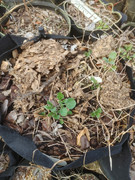
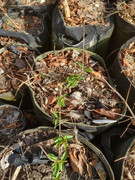
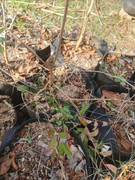
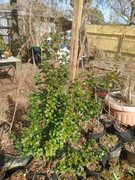
Tropical Fruit Discussion / First Myrciaria dubia sprouts
« on: November 06, 2025, 01:13:53 PM »
Hey all-

Just wanted to post this as I am quite excited about this species-

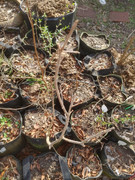
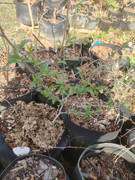
This is one of the green skin ones-


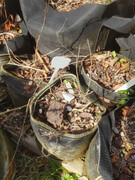
This is red skin white pulp-


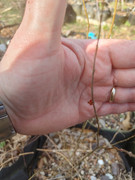
Expecting to see more come up soon!

3
Tropical Fruit Online Library / Good General Propagation Resource
« on: October 21, 2025, 12:10:03 AM »
I've found this to be a fabulous resource and managed to scrounge up a free online copy, many techniques I had never heard of before and species that each technique works with listed alongside each method. Pictures accompany the methodologies as well


https://www.doc-developpement-durable.org/file/Culture/Arbres-Fruitiers/graines&plantations/Plants_Propagation.pdf

4
Hey All-

I am in the strange position of having an abundance of Drosera, Sarracenia and even an extra Pinguicula-

I have found all 3 of these are great species for keeping insect pests down in my houseplant/indoor gardening areas, and quite easy to care for as long as they are kept in a saucer of DISTILLED water

I could let smaller ones go for $5 plus shipping- $10-$15 for larger ones

5
Tropical Fruit Discussion / Harpephyllum caffrum
« on: October 03, 2025, 12:21:34 AM »
I finally got a chance to try a few more of these fruit- I wanted to hold off before writing a review because I thought the few samples I had might be of poor quality

These things suck- the flavor is good- like a lemon mango- but they are literally all seed and string, admitedly they can grow places mangoes can't but it would take forever to collect and process enough fruits to have a good amount of them

If someone could make a cultivar with a better flesh to seed ratio I would be all in-


6
Tropical Fruit Discussion / Managed to Score a Passiflora antioquiensis
« on: October 03, 2025, 12:14:02 AM »
I had the opportunity to pick one of these up and after hearing about their rarity and supposedly superior fruit I had to get it. I think my climate will be good for it as well-

does anyone on here have first hand experience eating these? Ken Fern says it is considered "the best passionfruit" but if that is true why is it so rare?


I like the ones available in peru much more than the standard edulis but would like some first hand reports if possible

7
Tropical Fruit Buy, Sell & Trade / Peruvian Seeds for Sale
« on: September 17, 2025, 12:40:16 PM »
Hey All-

I am selling some seeds imported form Peru as were mostly described on my other post here- https://tropicalfruitforum.com/index.php?topic=59825.0

Prices and seed amounts are posted below- shipping will be $5 for a padded envelope and $12 for a small priority box

Annona muricata "Giant" - $5 for 5 seeds
Annona cherimola - $5 for 5 seeds
Corryocactus spp. "Sanky" - $5 for 3 seeds
Eugenia uniflora "Cantuta" - $2 per seed
Eriobotyra japonica "Cantuta" - $1 per seed
Mammea americana - $7 per seed
Mauritia flexuosa - $12 per seed
Myrciaria dubia "Green Skin" - $6 per seed GERMINATED
Myrciaria dubia "Red Skin" - $8 per seed GERMINATED
Myrciaria dubia "Red Skin Red Pulp" - $10 per seed GERMINATED
Opuntia spp. "Mixed Colors" - $5 for 5 seeds
Passiflora spp. "Granadilla" - $5 per 5 seeds
Passiflora spp. "Giant Maracuya" - $5 per 3 seeds
Passiflora spp. "Tumbo" - $5 per 3 seeds
Pouteria lucuma "Dry" - $10 per seed
Pouteria lucuma "Moist" - $15 per seed
Pouteria lucuma "de Bico" - $50 per seed
Pouteria lucuma "UNALM Golden" - $100 per seed
Psidium spp. "Amarillo" - $5 for 5 seeds GERMINATED
Psidium spp. "Rojo" - $5 for 5 seeds GERMINATED
Solanum betaceum "Sachatomate" - $5 for 5 seeds
Solanum sessiliflorum "Cocona" - $5 for 5 seeds
Solanum quitoense "Lulo" - $5 for 3 seeds

Vegetables-
Capsicum spp. "Aji amarillo" - $5 for 3 seeds
Capsicum spp. "Rocoto" - $5 for 3 seeds

Cheers,


8
Tropical Fruit Discussion / Lima Trip - 2025
« on: September 16, 2025, 01:25:44 AM »
Hey all,

My family and I finally had a chance to get down to Lima after a long 5 years- unfortunately we just stuck around the city this trip as my wife is pregnant and Jungle excursions seemed a bit too risky but we were still able to eat and experience a lot!

I would say the 3 characteristic fruits of Peru are Lucuma (Pouteria lucuma), Cherimoya (Annona cherimola), and Camu Camu (Myrciaria dubia) in that order-

While Lucuma is starting to get some more appreciation these days, and Cherimoya is a well known staple of this forum- Camu Camu has remained surprisingly scarce especially with the growing interest in Myrciaria

While I ate some good cherimoya this trip (and will have some seeds of this and all the species mentioned in this post for sale) this time I really tried to focus on Lucuma, figuring out the wet/dry types etc. and Camu Camu-

Obligatory fruit market shot-


Pouteria lucuma- Lucuma

I probably personally ate 30 of these on the trip, they range in size from a softball to a golf ball, are incredibly variable in shape, color of the pulp, texture and flavor. I was also able to visit the Universidad Nacional Agraria La Molina (UNALM) which is one of the main agricultural schools in Peru to discuss Lucuma and other rare crops. They lamented the poor characterization of the species despite its commercial importance. Attempts have been made to produce large scale plantations of Lucuma but all have failed for various reasons. There was a roughly 30 acre Lucuma field on the campus that was mostly abandoned- with that said the trees still were doing surprisingly well and producing despite no irrigation or fertilization.

Here is a picture of one of the trees in the orchard-


There were 3 main variation of Lucuma I was able to determine- the first is the previously discussed dry and moist types, the second is a set of fruit with a distinct beak, and the third (most interestingly) was finding a tree with golden moist fruits at UNALM, possibly a hybrid with Canistel or some other Sapote

A standard Lucuma next to the golden skinned one-


A beaked Lucuma (left) next to a Granadilla, Cherimoya, and Giant Maracuya


A demonstration of a dry type Lucuma (top) and a moist type (bottom)


Overall I would say each of these fruits was good, the moist ones are better for eating out of hand but the dryer ones are delicious in milkshakes etc.

Myrciaria dubia - Camu Camu
Camu camu has cone through several phases of attempted commercialization and is still sometimes used in production of Vitamin C. In Peru they are most often consumed in juices or powdered but I found them to be delicious out of hand. I like sour fruits and would put these at somewhere between a granny smith apple and a lemon.

There would appear to be at least 3 types of Camu Camu- a variety with green skin and white pulp, and two varieties with red skin, one with white pulp and one with red pulp. They all taste about the same, but the red pulped ones had an interesting tannic element to them in addition to the regular flavor. the best ones had a small single seed and a lot of pulp with a mild spicy skin. some others had 3 or 4 seeds in each fruit and relatively scant pulp. This species certainly merits wider cultivation on the forum.

Green skin vs. Red Skin


Green Skin interior


Red Skin Red Pulp


Red Skin White Pulp


Aside from these two species I was able to taste and try a lot of other cool stuff-

Mammea americana - Mammee apple, Mamey, Tropical Apricot


The tropical apricot is a fruit I was able to try once before at the Fruit and Spice park in Miami, I wasnt sure if it was ripened properly as I found it partially opened on the gorund, and I only tasted a small amount for fear of getting sick- This time I was able to buy a full properly ripened fruit from the market and I was very pleased. This fruit is not called the tropical apricot because it is some tropical variant of an apricot, the name rather comes from the fact that the fruit tastes like apricot plus a blend of other tropical fruits like pineapple and citrus- These fruit are really great but the one downside is that they are tough- like dried mango consistency and that can make them difficult to eat and enjoy out of hand, blended with a little milk- it is an outstanding fruit that is almost the size of a basketball


Passiflora spp. - Giant Maracuya
There appears to be a new variant of Maracuya since the last time I was there that is huge- flavor is the same as the old Maracuya but roughly softball sized instead of the regular granadilla sized- I like all passion fruits and these are no exception.


Passiflora spp. - Granadilla
I swear these were so much sweeter than the previous times I have been down there- there is no acid left in these and they are just sugar bombs now

Passiflora spp. - Tumbo
I think this might be my favorite of the three passionfruits commonly sold in Peru, they are a nice blend of sweet and sound, full of pulp, and keep incredibly well. There are a few vines similar to this producing in the bay area but I am not sure if they have hybridized with other passiflora since being introduced to the US- These fruits seemed richer in color and flavor than the ones I have tried in the US


Annona cherimola and muricata - Cherimoya and Soursop
As you can see in some of the pictures above and here the Chermoya and Soursop were fabulous- They appear to still be mainly selling the giant soursops (with fiber) but I found it quite pleasant and enjoyable to eat


Corryocactus spp. - Sanky
I cannot understand how this cactus isnt better known. This is the best cactus fruit I have tasted hands down- roughly the size of a baseball and good out of hand or juiced and made into a Sanky-ade. More tolerant of cold and aridity than lemons, deserves much wider cultivation.


Solanum quitoense - Lulo
I have been wanting to try this fruit for a very long time- when I initially cut into it I was super disappointed- it seemed like a strange texture and not very flavorful but then I followed peoples recomendations and juiced them- my lord did the fruit come alive. I am not sure of why but somehow juicing turns these into an amazing blend of citrus and pineapple juice. Better with a little sugar added but a fruit I will definitely grow.


Opuntia Spp. - Tuna
Peru is also known for its amazing variety of tuna's. I still dont think they are the best fruit in the world but these had some nice, light, watermelon, berry, and papaya flavors.


Inga spp. - Pacay, Ice cream bean

Inga are plentiful in Peru, I find them enjoyable enough but they aren't my favorite fruit. I planted a tree at my father in laws 6 years ago and it will need regular pruning at this point. Produces well and fixes the soil.


Psidium spp. - Guayaba Amarillo and Rojo
There were two main varieties of guava being sold in the markets, an orange fleshed one and a red fleshed one. Both were quite good and are probably distinct species from those cultivated elsewhere.

A note about the Cantuta-
The Cantuta is a resort we went to outside of Lima to stay for a few days and had an interesting assortment of Avocado, Loquat, Suriname Cherries and one off oddities. I wasn't able to get any Avocado seed as they were used for the restaurants at the resort but there were trees with insane variability in fruits- on one branch you could see "normal" and "pumpkin" fruits. I'll name the varieties collected here Cantuta after the locale.

Eugenia uniflora - Suriname Cherry
There were a few scattered and interesting trees planted around the resort, the fruits ripened to a dark black and were some of the better ones I have had. Really good cherry/berry flavor with light resin- When the fruit were harvested a little red the spice increased and was also enjoyable for those that like their characteristic sting.


Eriobotyra japonica - Loquat
These were white and firm fleshed but some of the most delicious I have ever tried- super sweet and delicious, for those wanting more genetics in their stock these are a must buy.


Psidium spp. - Guava
There was one Guava tree at the Cantuta that somehow survived up there, I wasn't able to try the fruit and hope to get some seeds from the immature fruit pictured but it must be tasty to have been kept around and more cold tolerant than the standard guavaja.


Kigelia spp. - ??????


I have no idea what this tree was doing here- I appeared to be a sausage fruit tree but 1. those are from Africa and 2. they take like 20-30 years to produce fruit IIRC. so either- Someone brought seeds to the Cantuta forever ago and the owners decided to keep and maintain this tree for whatever reason, or this is some other fruit tree native to Peru that looks a hell of a lot like a sausage fruit tree


-End Cantuta Portion-

Root Vegetables-

Peru has an amazing variety of Potatoes, Mashua, Oca, and Ulluco that bear much wider cultivation and attention


One Final Note-

I was able to go to the Botanic Garden at Parque de las Leyendas while there as well


Unfortunately it was winter and they are undergoing renovations starting in 2023 but there was a lot of cool stuff there also including Santol, Boabab, and some Peruvian Fig varieties


9
Tropical Fruit Discussion / Going to O'ahu in November
« on: September 03, 2025, 03:42:16 PM »
Hey All,

Going to O'ahu in November, unfortunately its for work so not a lot of time to get around and do things but would love some recommendations for what to do while I am there

Cheers

10
Tropical Fruit Discussion / Ecuagenera Order Experience
« on: August 04, 2025, 04:44:31 PM »
Hey All,

Just wanted to share my experience with ordering from ecuagenera, as I was asking before and nobody seemed to know much-

They are generally an Orchid supplier, but they also have some cool things listed like Plinia clausa, Pourouma cecropifolia, etc.

I followed the advice of the one poster before and decided to pick up my plants at the Orchids in the Park show here in SF, apparently if you order to your door they first import the plant into one of their warehouses (San Diego or Florida) and then ship it on to you and the added shipping time can be quite rough.

My order consisted of

Anadenanthera colubrina
Ceratostema ivanportillae
Ceratostema jorgebritoi
Ceratostema kiatana
Disterigma campii
Disterigma dumontii
Macleania bullata
Macleania floribunda
Plinia clausa
Sphyrospermum haughtii
Sphyrospermum sodiroi

Overall I was very happy with my order, out of the 11 plants I ordered only 2 were in rough shape upon arrival, Plinia clausa and Disterigma dumontii- most likely due to the fact that they bare root the plants and then cover with sphagnum to import into the country. I suspect they do some root pruning as well but didnt want to mess up the roots any further before planting out so didnt investigate too thoroughly.

I was majorly bummed about the clausa, it has about a 1/2 inch trunk and is a great deal for the price imho, I contacted ecuagenera on whatsapp and provided pictures and they immediately provided a refund (in credit) for both plants. Given that I may be able to revive both of them I am satisfied with this outcome

I also picked up

Ceratostema zamorana
Disterigma agathosmoides
Disterigma empetrifolium

on site- somewhat interestingly the empetrifolium was not listed on their site (along with a few other things I saw there but didnt end up getting) and other plants were available for cheaper that what was listed on their website (the zamorana was $25 and is more than double that on their website). This was a bit annoying as some of the thing I ordered actually had versions for sale on site that were cheaper, but the preordered plants appeared to be larger that the general sale stock so overall seemed justifiable.

The place was a zoo from the second the show opened, I was in line before the festival opened proper to make sure I got my plants as soon as possible, and the good stuff from them was gone by day 2- probably by the afternoon of day one. If anyone is planning on placing an order make sure to show up early, it also seems like they did not bring many (any) tropical fruiting plants outside of the preorders but there were some fun neotropical blueberry finds that I didnt expect.

Overall I would definitely order again- I think I just got bad luck with the clausa as the Anadenathra colubrina I ordered was also a tree of similar size and appears to have tolerated the bare-rooting process fine.

I'll post some pic's later and revive my neotropical blueberry post with some updates on those plants

Also shoutout to mundiflora and Tropical Plants from South America who I did not place preorders from but got a Ceratostema villosa and (I'm pretty sure misidentified) Sphyrospermum buxifolium from respectively.

P.S. there are generally sales on day 2 but stock is severely reduced


11
Tropical Fruit Discussion / Anyone still growing Randia echinocarpa
« on: July 02, 2025, 02:10:24 PM »
Hey all,

I sourced seeds for this from Raul ~1.5 years ago from here- https://tropicalfruitforum.com/index.php?topic=53335.0

I can't remember if I ended up selling or distributing some of the other seedlings but now I only have 1 left-

Its growing at a glacial pace for me but seems quite happy otherwise-

wondering if I am doing something wrong, but all the classic indicators are missing (browning on new or old growth, reaching for light etc.)

Hopefully someone has tips- or at least can let me know if they are growing this so I can trade pollen if necessary down the road

The suspect-


12
Tropical Fruit Discussion / Babaco Really is a Mountain Papaya
« on: July 02, 2025, 02:06:09 PM »
Hey All,

Just wanted to share some experience growing Vasconcella x helbornii or the Babaco-

I've tried to grow this many times and just want to compare 2 vastly different growing conditions and why zone pushing can be wildly different even in two "zone 9" areas

Houston-

Cuttings were sourced from Bush2Beach, 3/3 Rooted- I gave 2 away to friends,

I planted the cutting I kept in a 3g fabric bag before moving to a 30-40g Ceramic pot, it grew and even produced a fruit for me but it was a constant battle to give it enough water and eventually it gave up the ghost with some weird beetles eating the tree from inside out

San Francisco-

This thing literally requires water once a week- is going like a champ, and looking like it will produce fruit soon- This is in a ~100g stone planter so hoping it will be productive and large for many years to come


13
Hey All-

My life has finally gotten cleared up enough to do another seedling sale- If anyone wants to pick up semi-locally please let me know, you'll be given preference to listings here and I have some larger plants I can also sell that I'd rather not ship that I'm not Listing

$30 Minimum to Ship

Heres the short list of whats for sale- find descriptions and REPRESENTATIVE pictures after

Plants-

Euclea crispa - “Blue Guarri” - $20 each - 5x
Euclea racemosa - $15 each - 5x
Jaltomata cajacayensis - “Musho” - $25 each - 3x
Myrica rubra - “Yangmei” - Seedlings (Not Grafted) -
    Eastern Giant $70 - 1x
    Purple Pearl $60 each - 6x 5x
    Sweet Violet $60 each - 10x 8x
Physalis angulata - “Mullaca” - $15 each - 5x
Physalis pubescens - “Ground Cherry” - $15 each - 6x
Saurauia angustifolia - $20 each - 4x

Seeds-
Passiflora tripartata - 10 seeds $5
Passiflora sp. - 10 seeds $4

Euclea crispa - “Blue Guarri”
Euclea crispa can be an evergreen shrub or small bushy tree growing up to 8 metres tall with a bole 5 - 15cm in diameter. At times it can be a rhizomatous suffrutex or virgate shrub growing 30 - 300cm tall. The edible fruit and leaves are sometimes harvested from the wild for local use.
A dioecious species, both male and female forms need to be grown if fruit and seed are required. Fruit - raw. Pleasantly sweet, they are chewed as a nibble. Leaves.
Text sourced from Tropical Plants Database, Ken Fern. tropical.theferns.info. 2024-08-06. <tropical.theferns.info/viewtropical.php?id=Euclea%20crispa>

$20 each - 5x

Euclea racemosa
Euclea racemosa is an evergreen, densely branched plant that ranges in habit from a small shrub 1.8 - 2.7 metres tall, to a moderate-sized tree that can be 12 metres tall.
The tree is harvested from the wild for a range of local uses including food, medicine and timber. It is also grown as a hedge and planted in soil conservation and reforestation projects.
Edible fruit. The fruit is less than 1cm in diameter, it contains a single large seed surrounding a thin flesh. The roots are purgative.

Text sourced from Tropical Plants Database, Ken Fern. tropical.theferns.info. 2025-06-22. <tropical.theferns.info/viewtropical.php?id=Euclea+racemosa>

$15 each - 5x

Jaltomata cajacayensis - “Musho”
Native to the peruvian andes above the frost zone. This small but potently flavored berry is what i consider the best tasting of the jaltomata species ive tried. Cream and mandarins i would describe it. Small bush produces abundant crops of orange fruits. Plants perrenial to at least lower zone 9, possibly colder.

Text sourced from raindanceseeds.com

$25 each - 3x

Myrica rubra - “Yangmei”
Morella rubra is an evergreen shrub or tree growing up to 15 metres tall with a bole up to 60cm in diameter. The plant is commonly cultivated for its edible fruit in parts of Asia. It also has medicinal properties and is the source of a yellow dye.
Morella rubra is cultivated for its fruit from the warm temperate zone to the tropics. It is not very cold tolerant in cooler regions of the temperate zone, though it is said to succeed outdoors in the milder areas of Britain. Another report says that it only succeeds outdoors in zone 10 and does not tolerate frosts. Plants succeed outdoors in Japan as far north as Tokyo, but it is difficult to get them to fruit there.
Prefers a moist soil. Grows well in an open position in a well-drained soil in sun or light shade. Thrives in any ordinary garden soil. Prefers a lime-free loamy or peaty soil.
This plant has been recommended for improvement by selection and breeding for its edible fruit.
Plants in this genus are notably resistant to honey fungus.
Many species in this genus have a symbiotic relationship with certain soil micro-organisms, these form nodules on the roots of the plants and fix atmospheric nitrogen. Some of this nitrogen is utilized by the growing plant but some can also be used by other plants growing nearby.
Fruit - edible raw or cooked. Succulent and aromatic, it has an agreeable sub-acid taste. Juicy, sweetish and sour according to another report. The fruit soon rots so it is difficult to grow commercially because of the problems of getting it to market in good condition. The dark red to purple-red, globose fruit is around 10 - 15mm in diameter in the wild, but up to 30mm in cultivation. The seed is said to be edible. This report is likely to refer to the Coniferus species, Nageia nagi (Thunb.) Kuntze, which was originally wrongly assigned to this genus.

The stem and stem bark are used in the treatment of diarrhoea and gastroenteritis.
The stem bark is used as a wash in the treatment of arsenic poisoning, skin diseases, wounds and ulcers. The fruit is carminative, pectoral and stomachic. The seed is used in the treatment of sweaty feet. The plant is used in the treatment of cholera, heart ailments and stomach diseases.
The stems and stem bark contain various medicinally active compounds that have cytotoxic properties and are of potential use in the treatment of cancer. The plant has also been shown to have antioxidant and antiviral (against influenza) activity.
Propagation: Seed - best sown as soon as it is ripe. Barely cover the seed and keep it moist. Stored seed germinates more freely if given a 3 month cold stratification and then sown. Germination is usually good. Prick out the seedlings into individual pots when they are large enough to handle and plant them out when large enough. Cuttings of half-ripe wood, 5 - 8cm with a heel in a frame. Fair to good percentage. Cuttings of mature wood in a frame. Layering. Division of suckers. Plant them out direct into their permanent positions.
Text sourced from Tropical Plants Database, Ken Fern. tropical.theferns.info. 2025-06-22. <tropical.theferns.info/viewtropical.php?id=Morella+rubra&redir=Myrica+rubra>

These are named seedlings from the fruits I bought last year, they probably won't grow true to seed

Eastern Giant $70 - 1x

Purple Pearl $60 each - 6x

Sweet Violet $60 each - 10x


Physalis angulata - “Mullaca”
Edible fruit - raw or cooked. Juicy and sub-acid. The round fruit is green at maturity, around 10 - 15mm in diameter with numerous small seeds. The fruit is up to 30mm in diameter. The plant conveniently wraps up each fruit in its own 'paper bag' (botanically, the calyx) to protect it from pests and the elements. This calyx is toxic and should not be eaten.
The following reports about the fruit were listed under Physalis minima L., which is now considered to be a synonym of Physalis angulate.
Edible fruit - cooked. Tastes like a cherry tomato. Scarcely worthwhile. Juicy, mildly astringent and sweet with a pleasant blend of acid, the overall quality is good. The unripe fruit can be cooked as a vegetable. The fruit is about 1.5cm in diameter. It contains about 6% sugars, 2.7% protein, 1.2% ash, 0.6% tannin and 0.5% pectin. A good quantity of vitamin C. about 24.5mg per 100ml of juice. The fruit is formed and ripens consecutively over a long period. Average yields from a plant covering 2.5 square metres are about 545g.

Young leaves - raw or cooked as a potherb. A bitter flavour. Some caution is advised, see the notes above on toxicity. Some caution is advised, see the notes above on toxicity.

The plant is diuretic, expectorant, febrifuge. The leaves have been used to treat stomach disorders and Bright's Disease. The plant is used in the Pacific Islands to facilitate childbirth; to treat infertility in women and dengue fever. The root is febrifuge and vermifuge. An extract of the root is taken for fevers, whilst the root is chewed to act as a vermifuge. A decoction of the roots is drunk to treat hypertension and diabetes. The roots are chewed and applied as a poultice to the lower abdomen in order to reduce pain. The fruit is said to be alterative, analgesic, antiseptic, antispasmodic, appetizer, bitter, diuretic, laxative, sedative and tonic. (As Physalis minima) The seeds are cooked with Phyllanthus amarus seeds in a preparation given to women after childbirth.

The leaves are analgesic, diuretic, parasiticide and relaxant. They are eaten, or applied as an enema, in order to cure stomach-ache, colic, lithiasis and anuria. Added to palm wine, they are used to cure fever and to calm attacks of asthma, vomiting and diarrhoea. Sleeping sickness is treated with a mixture of the leaves combined with those of Anchomanes difformis.
The leaves are used externally to treat a wide range of skin ailments such as itch, smallpox pustules, whitlow lesions, infected scarification wounds and rheumatic pain, and to relieve muscular stiffness and pain. The pounded leaves are used as a remedy for headache and itches. The juice of the leaves, mixed with mustard oil and water, has been used as a remedy for earache. The leaves are also applied to Guinea worm sores, killing the worms and easing extraction. A lotion prepared from the leaves is applied to treat ophthalmia in children.

Text sourced from Tropical Plants Database, Ken Fern. tropical.theferns.info. 2025-06-22. <tropical.theferns.info/viewtropical.php?id=Physalis+angulata>


$15 each - 5x

Physalis pubescens - “Ground Cherry”
Fruit - raw or cooked in pies, preserves etc. A delicious bitter sweet flavour. The fruit falls from the plant before it is fully ripe and should be left for a week or two until the husk has dried and the fruit has turned a golden-yellow. Delightful when fully ripe. When dried in sugar, the fruit is excellent in fruit cakes, some cooks preferring them to raisins or figs. Yields up to 0.5 kilo per plant. The plant conveniently wraps up each fruit in its own 'paper bag' (botanically, the calyx) to protect it from pests and the elements. This calyx is toxic and should not be eaten. The fruit will store for several weeks if left in the calyx. The fruit is a berry about 15mm in diameter.

Text sourced from Tropical Plants Database, Ken Fern. tropical.theferns.info. 2025-06-22. <tropical.theferns.info/viewtropical.php?id=Physalis%20pubescens>


$15 each - 6x

Saurauia angustifolia
A Saurauia, native to southern Mexico and parts of Central America. Similar to S. madrensis, it bears small, light green fruits, with sticky, sweet smelling, translucent pulp. Little information exists about this species, but it appears frost hardy to several degrees below freezing. Does well in cooler, subtropical zones. Medium to large sized tree featuring long, ornate leaves with red veins.
Text sourced from tradewindsfruit.com

I have eaten these fruits and they are quite good- like grape sized gelatinous Kiwi

$20 each - 4x


14
Tropical Fruit Discussion / Paw Paw (Asimina triloba) Help
« on: May 12, 2025, 03:00:26 PM »
Hey all,

Just got some Pics from the Paw Paw tree in Michigan and the Main Trunk has had a massive split- tree seems to be okay but I would think Pruning at this point would be prudent- would you take off the whole large limb? Maybe a good chance to get some grafts on?

Side note- if anyone wants fruiting paw paw wood (it is a seedling) near MI lmk


15
Tropical Fruit Discussion / organicindiaseeds.com
« on: April 24, 2025, 01:05:37 PM »
anyone tried this website?

good experience? bad experience?

16
Tropical Fruit Buy, Sell & Trade / Butia x Jubaea Seeds for Sale
« on: April 14, 2025, 08:49:54 PM »
Hey all-

I have 10 Butia x Jubaea seeds for sale- $5 each, if you get 2 or more I will include free shipping (no tracking)

First come first serve- I wrote a bit about the mother tree over here-

https://tropicalfruitforum.com/index.php?topic=58326.new#new

17
Tropical Fruit Discussion / Butia x Jubaea
« on: April 02, 2025, 11:12:16 AM »
Hey all,

Found another interesting specimen on my strolls, this was actually in a nursery here but I have never seen one before- Butia x Jubaea they wantd 7k for the mature specimen below but no one had a problem with me picking the fruits-


The description said - "Shows hybrid vigor, speedier than both parents, tolerates varied climates. 15-30ft mature. Sunset zones 7-24. Exposure part shade to full sun. Tolerates- Coast, Cold, Cool Summers, Drought, Deer, Fog, Heat, Pots, Rooftops, Neglect, Salt, Wind." which sounds like a winner on all fronts.

The problem is there is very little information online about this hybrid or its edibility that said I ate the fruit and didnt die. They were quite tasty, like a good Butia fruit but with a much smaller seed and something a bit more tannic, the fruits are also red instead of the standard yellow/orange


The seeds might also be edible as with Jubaea, but I didn't eat any because I want to sell/trade some over of the other subsection of the forum.

Anyone have more info on this cool hybrid?

I can probably go collect more fruit if there is a lot of interest in seed, right now I probably have 10 to spare at most

18
Hey all,

Basically title, if I can get cuttings or a plant bonus but will also take seeds

Cheers

19
Tropical Fruit Discussion / ecuagenera
« on: March 02, 2025, 11:26:48 PM »
has anyone used this vendor before?

good experience? bad experience?

20
Tropical Fruit Discussion / Belle Isle Conservatory
« on: January 08, 2025, 12:41:06 AM »
Hey All,

Life's business has kept me away for a bit, but recently had an experience I thought worthy of sharing on the forum- (don't worry I will do another unwarranted neotropical blueberry post soon enough)

I had the opportunity to revisit the Belle Isle Conservatory in Detroit since it has re-opened after nearly 5 years of renovation and reconstruction-


This conservatory is more north that parts of Canada, and sits in the Detroit River where is gets blasted by winds, with that said they are able to grow some very impressive trees

Gigantic Surinam-


Guava with tons of fruits-


Lychee-


Allspice


Fruiting Coffee-


Fruiting Annato-


Jiant Jabo-


Mango-


Avocado-


Australian Finger Lime-


All of these are cool but I was really impressed when I saw these-

Mamey-


African Sausage Tree-


Fruiting Jackfruit-


Screw Pine-


I don't know how any of these trees produce reliably or at all but it was very cool to see a fruiting Jackfruit in Michigan haha

Worth noting that none of these beds are set into the ground to regulate temperatures and that the greenhouse felt about 45 degrees on the day we were there. A lot of hope for you zone pushers with a large greenhouse!

Bonus pic of my Ariocarpus kotschoubeyanus v. macdowellii because it bloomed today


21
Tropical Fruit Discussion / Longans in Houston
« on: November 18, 2024, 05:26:43 PM »
Any suggestions for growing Longan in ground in Houston?

I know of some fruiting trees that were around before the recent spate of freezes we had- I'm wondering if a more cold hardy variety would do well here

I have put a few in the ground, one is still alive but doesnt seem to be thriving, I killed the other with a mild application of fertilizer (which I am guessing is a no-no)

Cheers all

22
Tropical Fruit Buy, Sell & Trade / Seedlings FS
« on: August 06, 2024, 01:59:16 PM »
Hey All-

Time to clean out the extra seedlings before things get cold- prices do not include shipping.

Mango- Seedlings From Frank- Will update with vars as more are ready- grown in tree pots to prevent J root, You get the whole seed whether poly or mono

6x Pickering - $15 each
2x Guava - $25 each
2x NDM - $20 each

 
3x Redlands White Sapote - $15

2x Abiu - E4 fruits, the first good one I ever had- $35

4x Euclea crispa - $10

Euclea crispa - “Blue Guarri”
Euclea crispa can be an evergreen shrub or small bushy tree growing up to 8 metres tall with a bole 5 - 15cm in diameter. At times it can be a rhizomatous suffrutex or virgate shrub growing 30 - 300cm tall. The edible fruit and leaves are sometimes harvested from the wild for local use.
A dioecious species, both male and female forms need to be grown if fruit and seed are required. Fruit - raw. Pleasantly sweet, they are chewed as a nibble. Leaves.
Text sourced from Tropical Plants Database, Ken Fern. tropical.theferns.info. 2024-08-06. <tropical.theferns.info/viewtropical.php?id=Euclea%20crispa>


I will ship on Mondays

Cheers

23
Tropical Fruit Discussion / Neotropical Blueberries
« on: July 23, 2024, 11:51:47 PM »
Reviving this discussion as my interest is revived-

Some interesting plants I have gotten into recently but don't see getting much discussion on here is Neotropical blueberries and particularly the Agapetes, Cavendishia, and Macleania genus

As an epiphyte you can always do some really cool stump-pots with them though, or add another growing layer to the greenhouse in the tops of your trees

I recently have seen some stunning specimens around the Bay Area

Agapetes sp. "Bhutan"


Agapetes manii


Macleania benthiamiana


Macleania spp.


Cavendishia spp. - the fruits on this were quite good, good sized but the skin was thick and tannic


Macleania spp.


I used to own all these -

Agapetes oblonga  “Yunnan Huckleberry”
Rare larger species 3–10′ tall. Fuzzy stems, oblong-lanceolate leaves. New growth is lustful pink-red. Develops a large woody caudex to 20″+. Very floriferous with tubular carmine-red flowers borne along the stems. Sweet edible berries, translucent white-pink with tiny hairs. Epiphytic in the evergreen forests of Yunnan, China up to 9000′. Surface sow the seed and keep warm to sprout. Z8b/9a? Text sourced from sacredsucculents.com


Agapetes serpens  “Khursani” “Himalayan Lantern Huckleberry”
Epiphytic evergreen shrub to 2–3’+. Graceful arching braches arising from a woody caudex to 18″+. Shocking rose-red lantern-like flowers dangle from the branches, a flamboyant display that appeals equally to hummingbirds and primates. Lavender colored sweet edible berries. Native to the Himalayan mid elevation cloud forests, up to about 9,000′. The caudex of some species is edible. Prefers part shade, well draining acid soil and regular moisture. Fruits best when cross pollinated with another clone or species. Rooted cuttings. Z8b. Text sourced from sacredsucculents.com


Agapetes ‘Ludgvan’s Cross’   “Himalayan Huckleberry Hybrid”
A hybrid of A. serpens and A. rugosa, forming a 3–4’+ shrub.  2–3″ pointed leaves and eventually deveolops a gnarled woody caudex. Pale-pink lantern flowers with deep rose chevron markings are borne in mass along the stems, a sight to see! Weird, marble size, translucent white-pink to purple edible berries. Hummingbirds love Agapetes. Part shade, well draining acid soil. Rooted cuttings. Z8b Text sourced from sacredsucculents.com


Agapetes aff. cauliflora SEH27042 “Vietnamese Huckleberry”
Ericaceae. Evergreen caudiciform with long arching branches to 3’+ . Hairy stems and lanceolate evergreen leaves, blue-green when young. Clusters of white tubular flowers with green tips, red edible berries. Native to the cloud forests of Vietnam. May be intermediate to the larger growing A. malipoensis. Our first offering of this rare species. Rooted cutting. Z8/9?
Text sourced from sacredsucculents.com

Agapetes hosseana “Saphaolom” “Thai Huckleberry”
Ericaceae. A lovely blueberry relative that forms large woody caudiciform lignotubers. Arching branches to 3'+ with shiny, rounded-elliptic, evergreen
leaves. Clusters of pendant, narrow tubular red flowers with green tips. Sweet edible berries, white to pale pink with lavender speckles. An epiphytic
species native to the mountain forests of northern Thailand. The lignotubers are used in Thai medicine for nourishment after a fever. The tubers have
exhibited anticancer poperties. The plant contains triterpenes and steroidal compounds with antibacterial and antimalarial activity. Part shade and a fast
draining acidic soil. Does well in hanging baskets. Surface sow seeds warm. Z9a
Text sourced from sacredsucculents.com

Agapetes smithiana v. major “Yellow Flowered Himalayan Huckleberry”
Woody caudiciform lignotubers, long arching branches with rounded leaves. Dark yellow tubular flowers hang from the stems in clusters. Edible berries.
An beautiful endangered native of the mid elevation cloud forests of the western Himalaya where it occurs primarily as an epiphyte. Well draining acidic
soil, part shade. Rooted cuttings.Z8b/9a
Text sourced from sacredsucculents.com

but lost them to the insane weather in Texas over the last few years-


Macleania smithiana HBG89922 cl. F  “Femu-piu-tape”
Ericaceae. Evergreen shrub to 6’. Forms a large caudiciform lignotuber with age. Dark green to bluish-gray leaves, ovate to elliptical. Clusters of tubular flowers pinkish to red in color, white edible berries. One of the more tropical species from the wet forests of Panama, Columbia and Ecuador. Used for snakebite. More tolerant of heat and less tolerant of cold than others. Rooted cutting. Z10a/b

It is a beautiful plant with red new growth-


And I lost this one to the cold we California winter last year when I was trying to zone push it.

24
Tropical Fruit Discussion / Best "Groundcovers" for Pots-
« on: July 23, 2024, 01:17:12 AM »
Hey all-

I am tired of weeding my pots- I am starting to get some good candidates for "groundcovers" to put in the base of my larger pots but would love some other suggestions


Rubus pentalobus syn. calycinoides
- pretty tasty and beautiful, relatively large foliage, likely not heat tolerant

Creeping Raspberry is a unique ground-covering raspberry species that goes by many names including Emerald Carpet, Formosan Raspberry, and Taiwanese Ground Raspberry. This is truly an exceptional raspberry unlike any other that we’ve grown. In fact, you probably wouldn’t even know it’s a raspberry plant at all if not for the fruit! Creeping Raspberry trails along the ground, forming a thick mat of dark, leathery leaves that are adorned by snowy white flowers in early summer and vibrant golden, delicious raspberries by midsummer.
Creeping Raspberry is a thornless plant, but does have small hairs that can be a little rough on the hands. Plants are a favorite for bees and are very adaptable form shade to sun, are drought and frost tolerant, and are easily pruned. Creeping Raspberry tolerates foot traffic, so don’t hesitate to get in there and go berry picking!
Cold hardy to USDA zone 6a and above, or to -10 degrees Fahrenheit.
Text from wanderlust nursery.

Myrteola nummularifolia “Groundcover Guava”
- promising, pretty, havent tasted the fruit yet

Myrtaceae. Ground hugging evergreen subshrub to 6" high and 2–3' across. Red stems and small, dark green, rounded leaves, pleasantly scented if crushed (makes great tea!). Little white flowers and abundant, round to oblong berries, rose to pink blushed with a sweet, aromatic flavor similar to Ugni. Plants in cultivation can probably be traced to Hinkley’s introduction from southern Chiloe. A handsome edible groundcover. Z7b?
Text sourced from sacredsucculents.com

Justicia pectorallis var. Stenophylla - ultra tropical, amazing tea

Justicia is a plant employed widely in northwest Brazil and Venezuela. It is used medicinally to treat pulmonary problems. The leaves are aromatic and are often mixed with snuffs or used alone. It is a plant used in curing practices. I GREATLY enjoy drying the leaves from this plant and putting them throughout the house to scent it with the leaves WONDERFUL fragrance. The leaves can also be ground up and made into a tea, it has an intense calming and grounding effect. The leaves can also be gel capped and taken as a smooth muscle relaxer, sedative. Many uses for one of my favorite plants!
Text from heavenlyplants.com

Aptenia cordifolia “Brakvygie” “Ibohlololo” - good for anything

Aizoaceae. Sprawling groundcover with succulent lime green heart shaped leaves. Bright red-pink flowers bloom Spring through Autumn. A South African native that is an important medicine for Zulu healers. Applied externally the plant is a highly effective anti-inflammatory. An infusion of the leaves is used for sore throats and as a anti-perspirant. A black powder is made from the plant that is said to protect against sorcery and possess magical powers. The presence of several mesembrine alkaloids also found in Sceletium, probably account for the plant being good for calming anxiety. Simple to grow. Roots quickly from cuttings. Z8b
Text sourced from sacredsucculents.com

Austromyrtus dulcis “Midyim Berry”
- havent seen one set fruit yet, pretty plant

Myrtaceae. Perfect addition to the edible landscape: a low growing evergreen groundcover to shrub, 1–6′ high. Small lanceolate leaves, dark glossy-green with silky undersides. New growth is burgundy to bronze. A profusion of small white flowers followed by white, mauve-speckled, edible berries. Native to eastern coastal Australia inland to the rainforest ecotones. The berries are a delicious traditional bushfood with a melt in your mouth, sweet-tart, aromatic flavor similar to Ugni. Easy to grow, plants in bright sunny positions remain low growing, partial shade encourages height. Tolerates some frost once established. Z9a
Text sourced from sacredsucculents.com

Romulea rosea “Frutangs” - beautiful blooms, not much "coverage"

Iridaceae. Bulbous plant with stiff, narrow leaves to 6–12" long. Relatively large, star shaped, rose-pink flowers with yellow centers. Native to the Cape
of South Africa. The unripe green fleshy fruit are eaten. A summer dormant winter grower, does well in our garden. Z8a
Text sourced from sacredsucculents.com

Salpichroa origanifolia - "Cock’s Eggs” - haven't tasted the fruit, great contender

Salpichroa origanifolia is a very fast-growing, perennial, climbing plant with somewhat woody stems. Although the fruits have a poor flavour raw, they are often gathered from the wild for use as preserves and are commonly found for sale in local markets. A plant of the warm temperate to tropical zones, being found at elevations above 1,000 metres in the tropics. Plants are susceptible to frost, even the fleshy roots can be killed by temperatures down to freezing. Prefers a sunny position. Thrives in alkaline soils. Fruit. Of poor flavour raw. Often used to make preserves. The white or yellow, ovoid fruit is 18mm x 8mm.
Text sourced from Tropical Plants Database, Ken Fern. tropical.theferns.info. 2021-10-05. <tropical.theferns.info/viewtropical.php?id=Salpichroa+origanifolia>
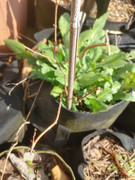
Solanum muricatum - “Pepino dulce”
- good fruit, takes a lot of water/fertilizer

Solanum muricatum is a short-lived, evergreen sub-shrub growing about 1 metre tall.
The plant has been cultivated for its edible fruit in S. America for hundreds of years, since before the Europeans arrived. Its cultivation has spread to other areas of the Tropics and subtropics.
Fruit - raw. A juicy, sweet aromatic and very agreeable flavour, somewhat like a honeydew melon. The skin of some varieties has a disagreeable flavour. The fruit contains 35mg vitamin C per 100g, 7% carbohydrates and 92% water. The fruit should be harvested just before it is fully ripe and will store for several weeks at room temperature. The fruit is about 10cm long and 6cm wide.
Text sourced from sacredsucculents.com


25
Tropical Fruit Discussion / Strange Syzygium at SFBG
« on: June 17, 2024, 11:47:29 PM »
I was strolling around SFBG this weekend in the Chile/New Zealand Area and found an interesting Syzygium tree


The fruits taste very similar to Syzygium smithii and are about the same size but the growth habit is completely different, this one is like a large hedge

Anyone got any idea what it is? I always thought these fruit were a nice novelty but the poor flesh to seed ratio and gigantic size of the S. smithii tree is a no-go for me

Pages: [1] 2 3 ... 5